
Why The Room Exists
A Room Full of Mirrors was built around reflection. The Room is where we slow down long enough to see what the work is actually saying.
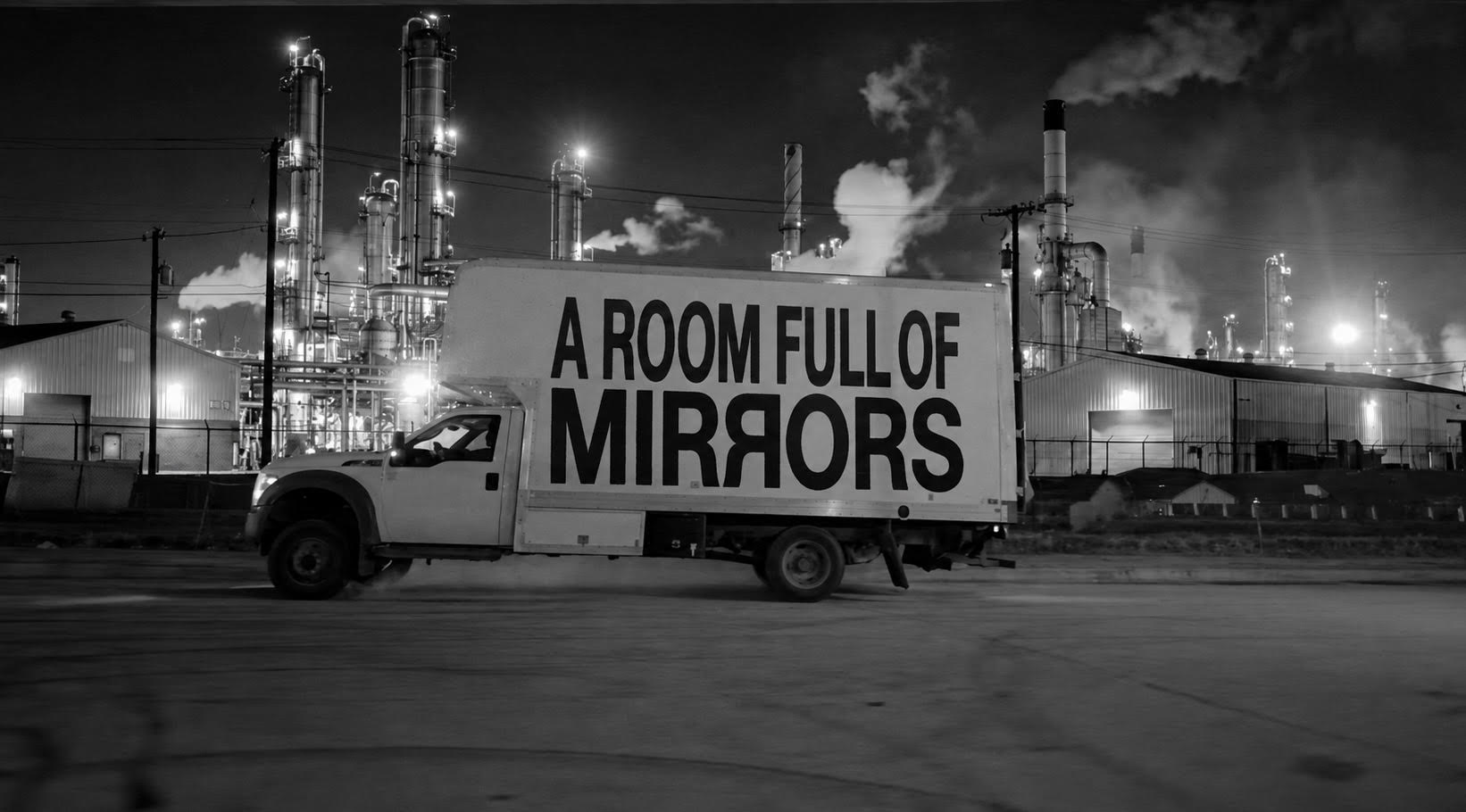
Most places tell you what to think before you’ve had a chance to feel anything.
This isn’t that.
The Room exists because some work deserves more than a caption, a reaction clip, a ranking, or whatever the algorithm decided people should argue about that afternoon.
Sometimes you have to sit with something.
Look around. Listen again. Notice what was actually being said.
A Room Full of Mirrors was built around reflection. Different artists. Different perspectives. Different ways of processing the same world. The point was never for everybody in the room to see the same thing.
THE POINT WAS TO MAKE ROOM FOR WHAT THEY SAW.
And right now, there is plenty to look at.
On August 21, A Room Full of Mirrors released “World’s Gone Crazy.”
The title almost explains itself.

The record and its visual move through a world where reality feels increasingly manufactured — artificial images, artificial personalities, people performing versions of themselves for screens, technology moving faster than our ability to understand what it is changing, and a culture that can make something disposable feel important while something carefully made can disappear almost unnoticed.
That last part matters.
Because the response to World’s Gone Crazy has been remarkably consistent among the people who found it.
They aren’t talking about disposable content.
THEY’RE TALKING ABOUT CRAFT.
Bars. Production. Ideas. Something worth replaying.
Listeners have described the collective as a kind of “Justice League of Rap.” Others have called the music “non-disposable rap.” People are stopping on individual verses, running lines back, arguing about who went hardest, noticing the filmmaking, and paying attention to what the record is actually trying to say.
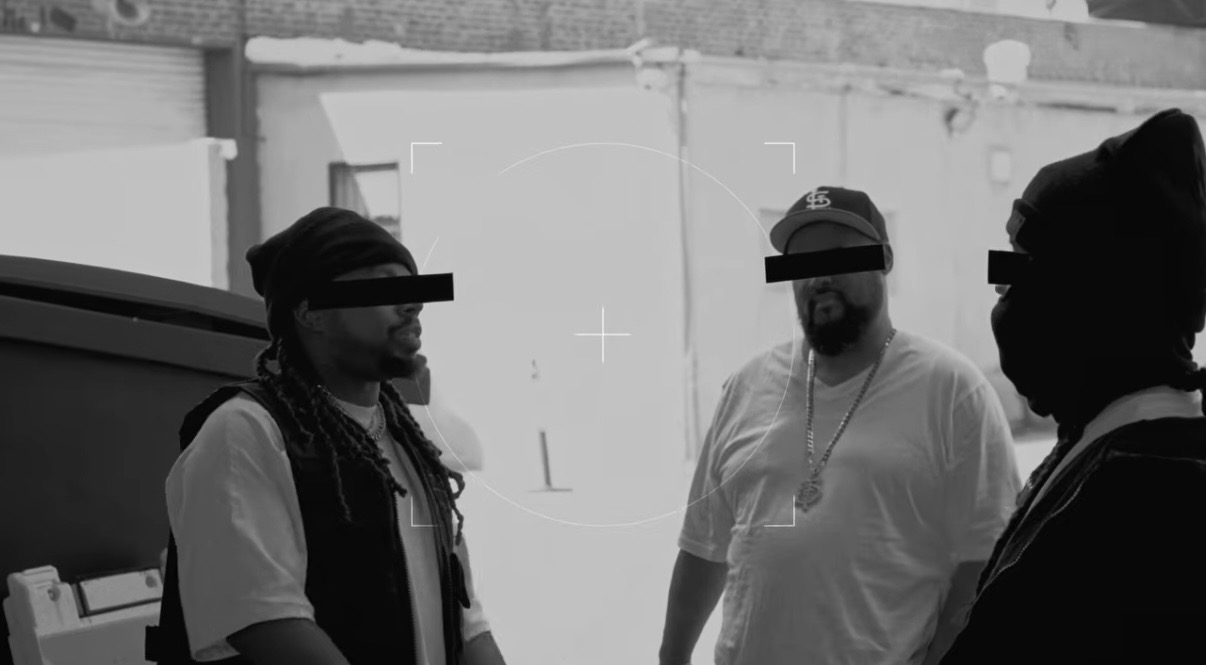
That may sound ordinary.
It shouldn’t be.
We live in an environment where music can be consumed before it is understood. A song becomes a fifteen-second clip. An artist becomes a number. A conversation becomes engagement.
A piece of work gets flattened into whether it is “up” or “down” before anybody asks whether it had anything to say.
THE ROOM IS OUR REFUSAL TO FLATTEN IT.
This is where we can go deeper.
Not because everything needs an explanation.
Because some things deserve context.
The artists in this room have histories. Influences. Contradictions. Ideas. Processes. There are stories inside records that don’t fit into a social caption. There are decisions inside films that disappear when the only conversation is about views.
There are artists people may have heard without actually knowing.
WHAT THIS ROOM IS FOR
We want to document those things while they’re happening.
And sometimes it simply means noticing something everybody else moved past too quickly.
That is what this space is for.
We would rather show you the room and let you decide what speaks to you.
The irony of World’s Gone Crazy landing first isn’t lost on us.
A song questioning the current state of culture arrives into the exact system it is questioning. The people who find it call it cinematic, thoughtful and built to last. At the same time, its audience remains relatively small compared with the scale of what gets pushed across people’s feeds every day.
Maybe that’s a problem.
Maybe it isn’t.
NUMBERS TELL YOU HOW MANY PEOPLE WALKED INTO A ROOM.
THEY DON’T TELL YOU WHAT HAPPENED ONCE THEY GOT THERE.
The Room is about what happens once you’re inside.
Stay awhile.